

Made in Japan

Modern and traditional Japan do not stand in opposition to one another. At first
glance, hyper-posthuman technology appears to dominate space and time; yet, upon
closer attention, tradition remains deeply present, introducing the human, the
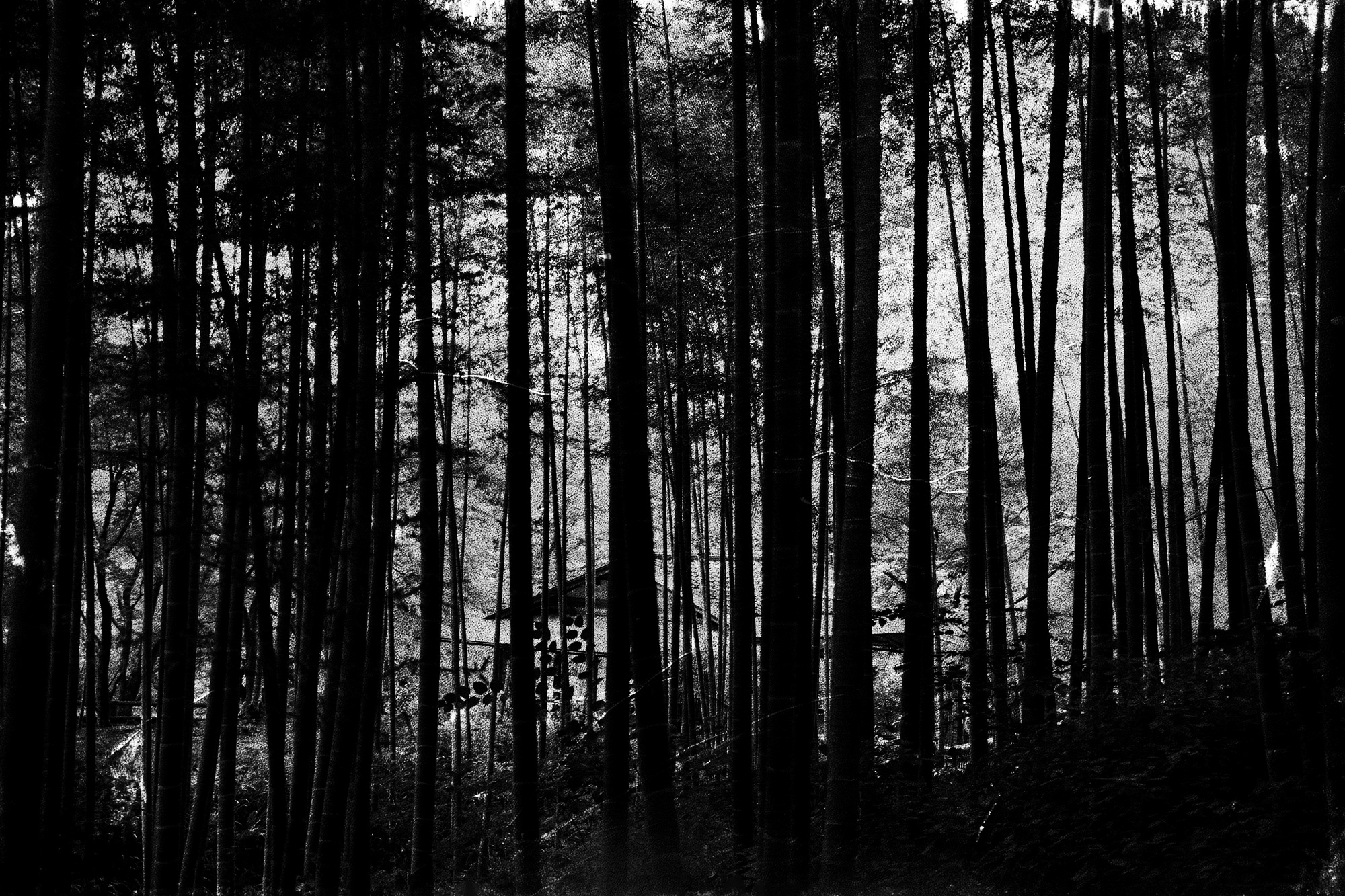
handcrafted, the lived. The modern is the city. Tradition is nature within the city. One
reflects our accelerated time; the other, a quiet sense of the timeless.
Read the article


Made in Japan - Alex Kat

Modern and traditional Japan do not stand in opposition to one another. At first glance, hyper-posthuman technology appears to dominate space and time; yet, upon closer attention, tradition remains deeply present, introducing the human, the handcrafted, the lived. The modern is the city. Tradition is nature within the city. One reflects our accelerated time; the other, a quiet sense of the timeless.

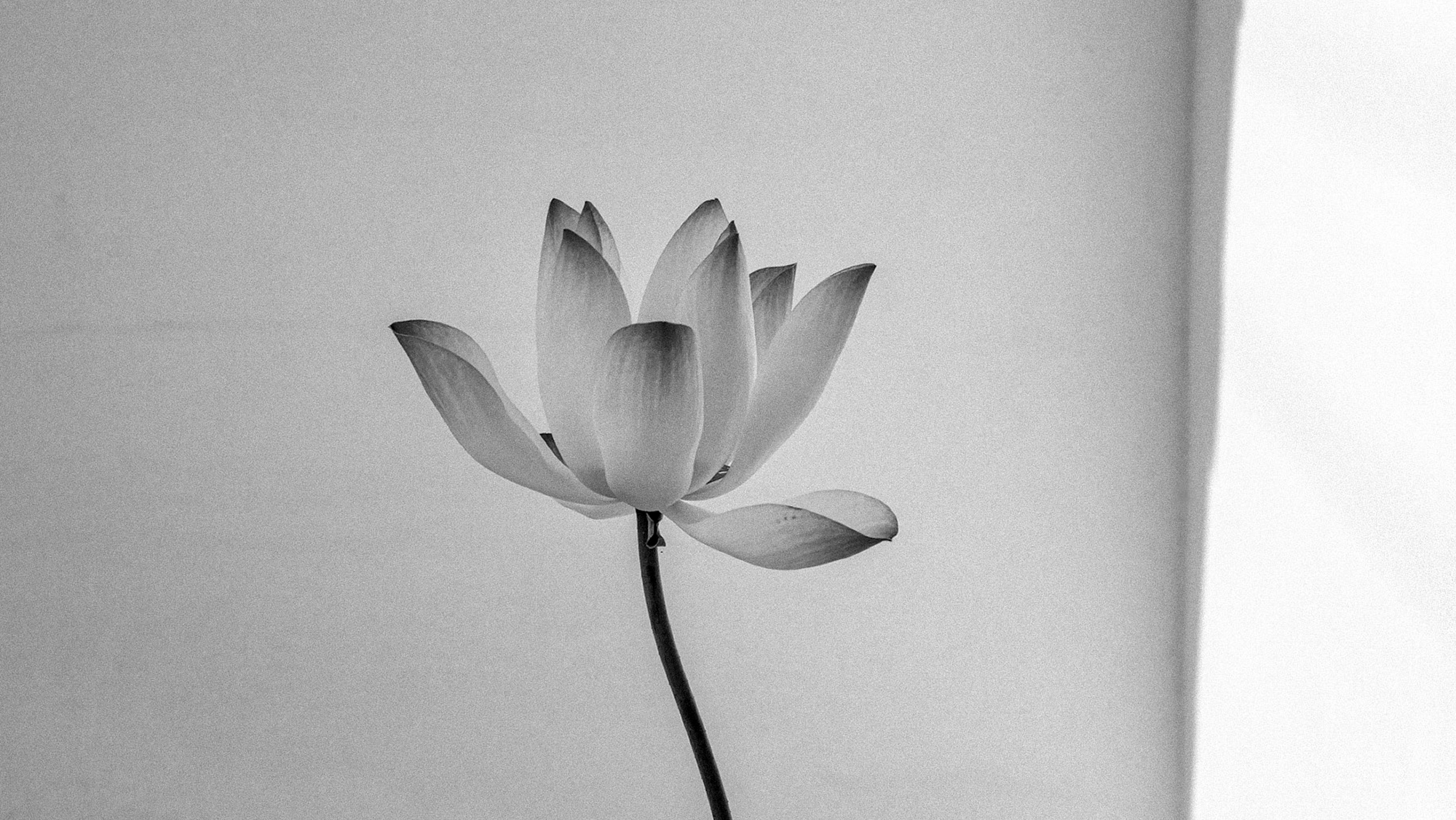
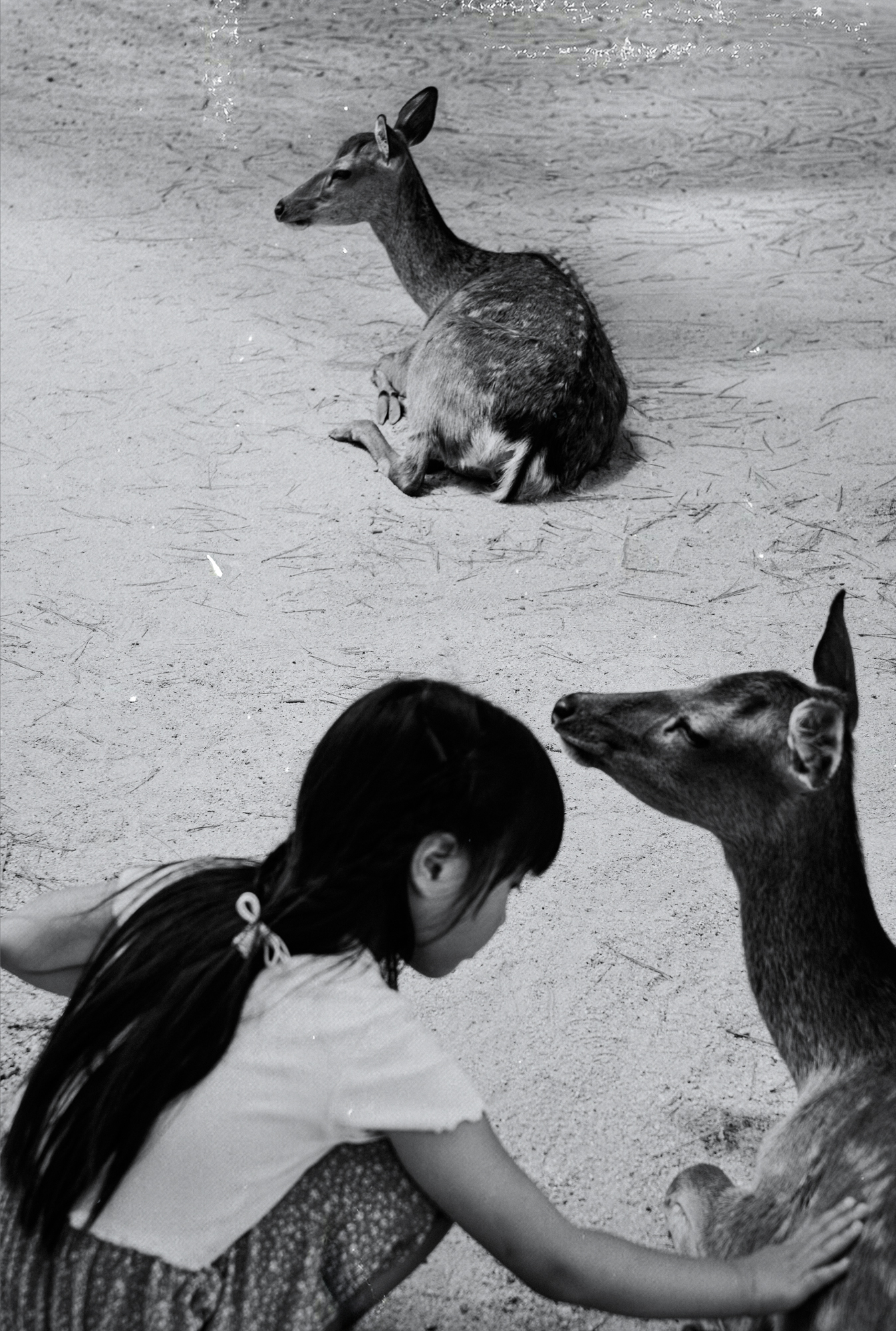
This project does not seek to explain or interpret Japan. Through the distance and discipline of black-and-white photography, it approaches Japan as a space of concentration and memory. People and landscapes coexist without hierarchy, as traces of a time that remains tangible.

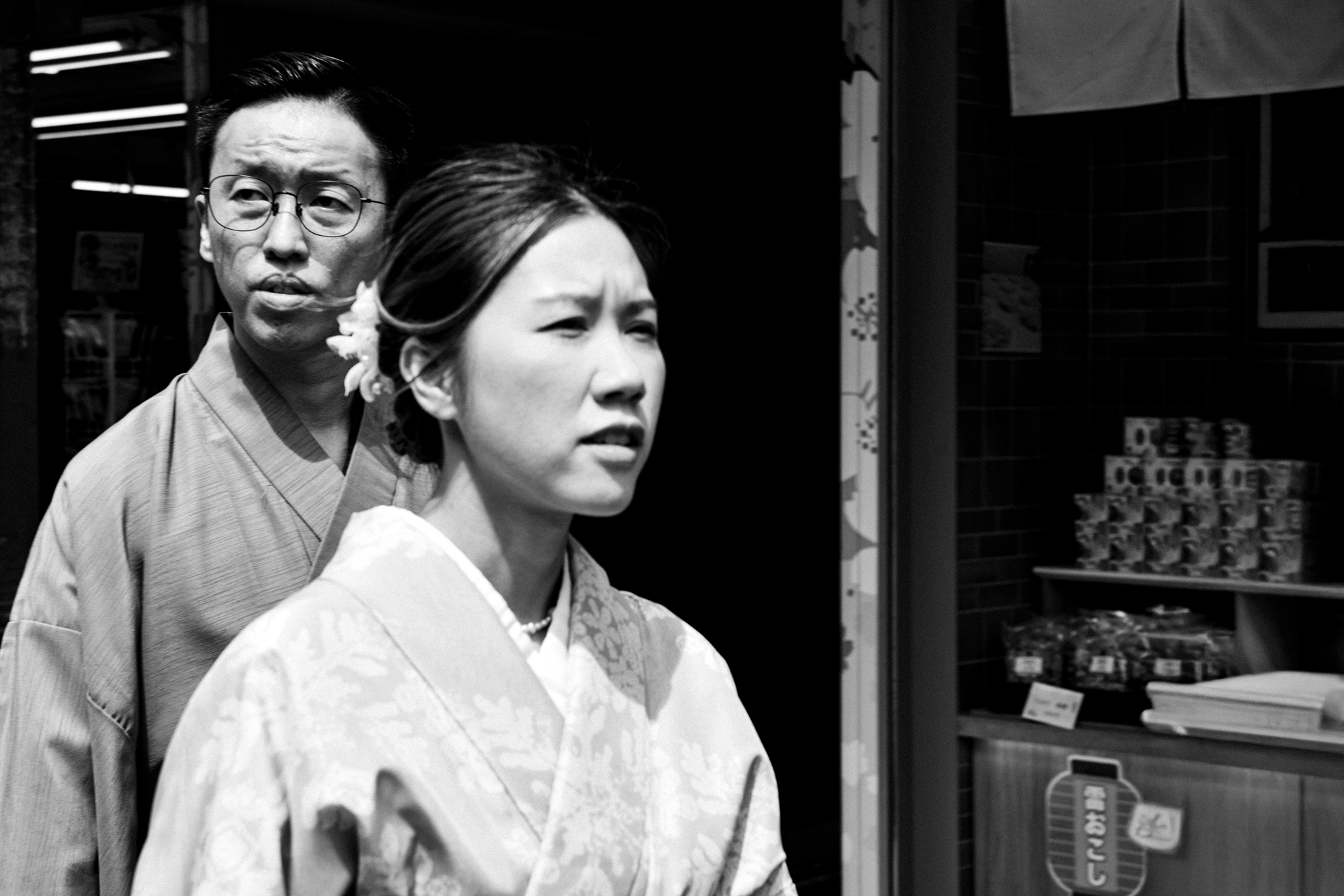
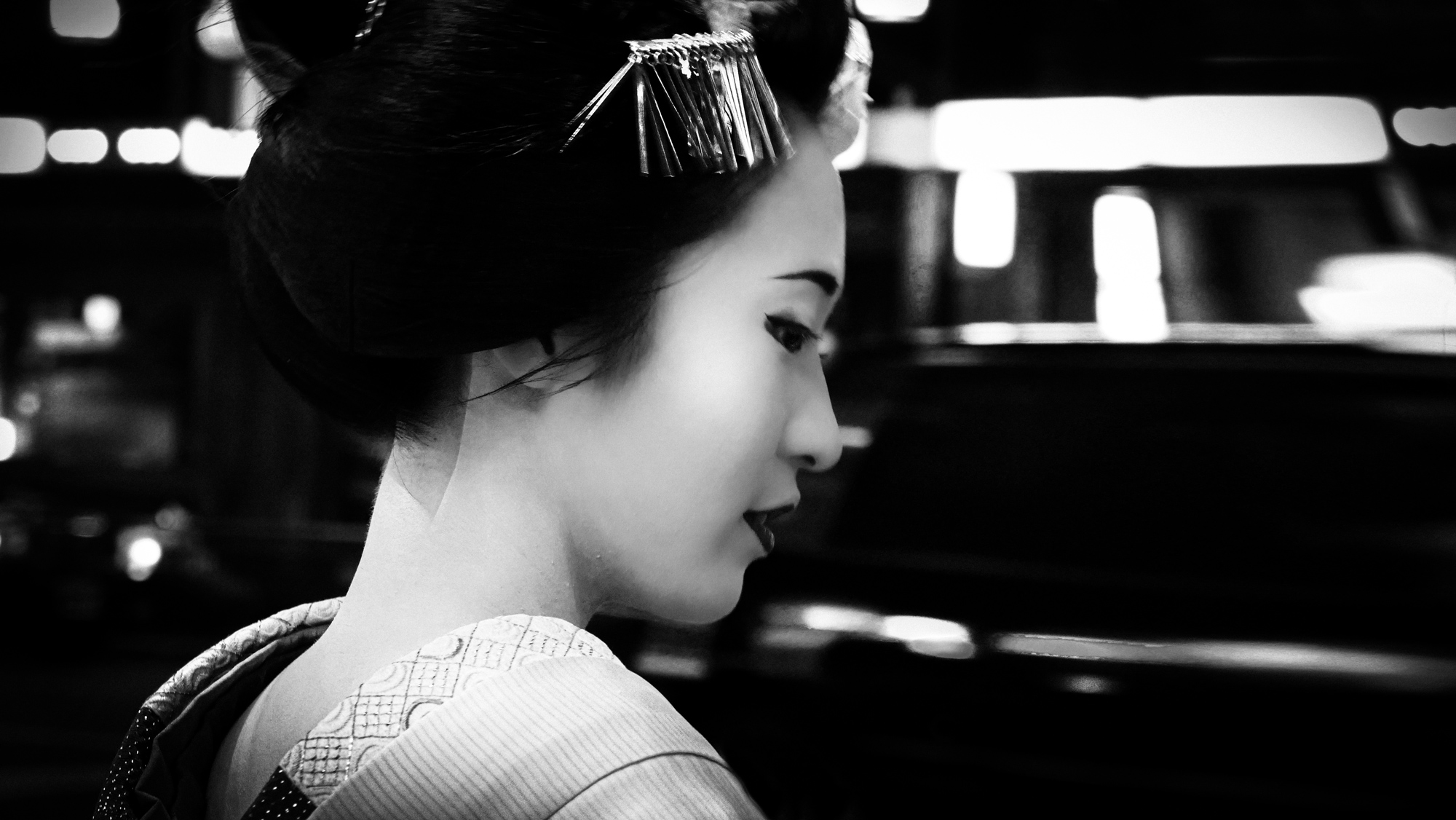
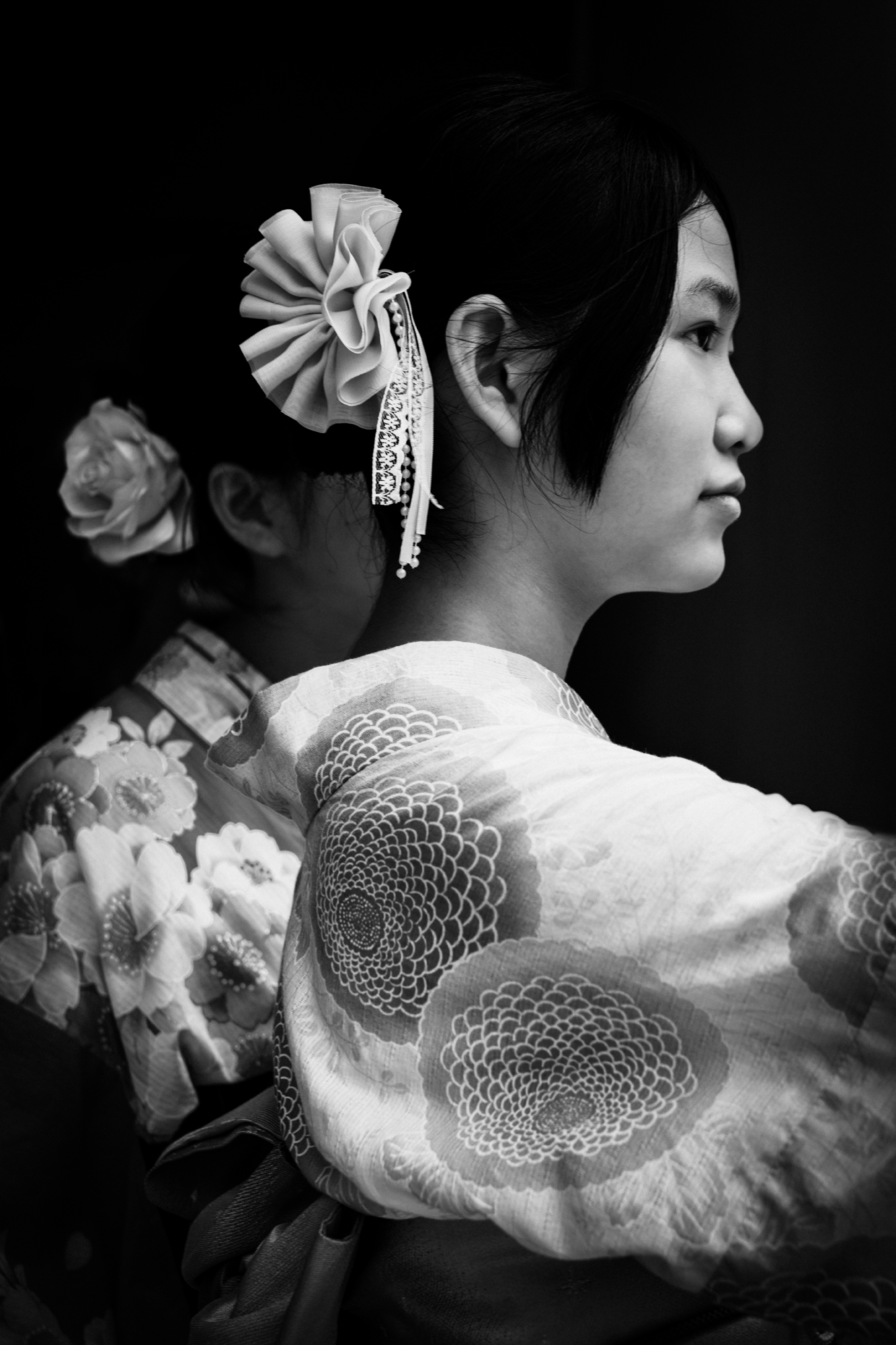
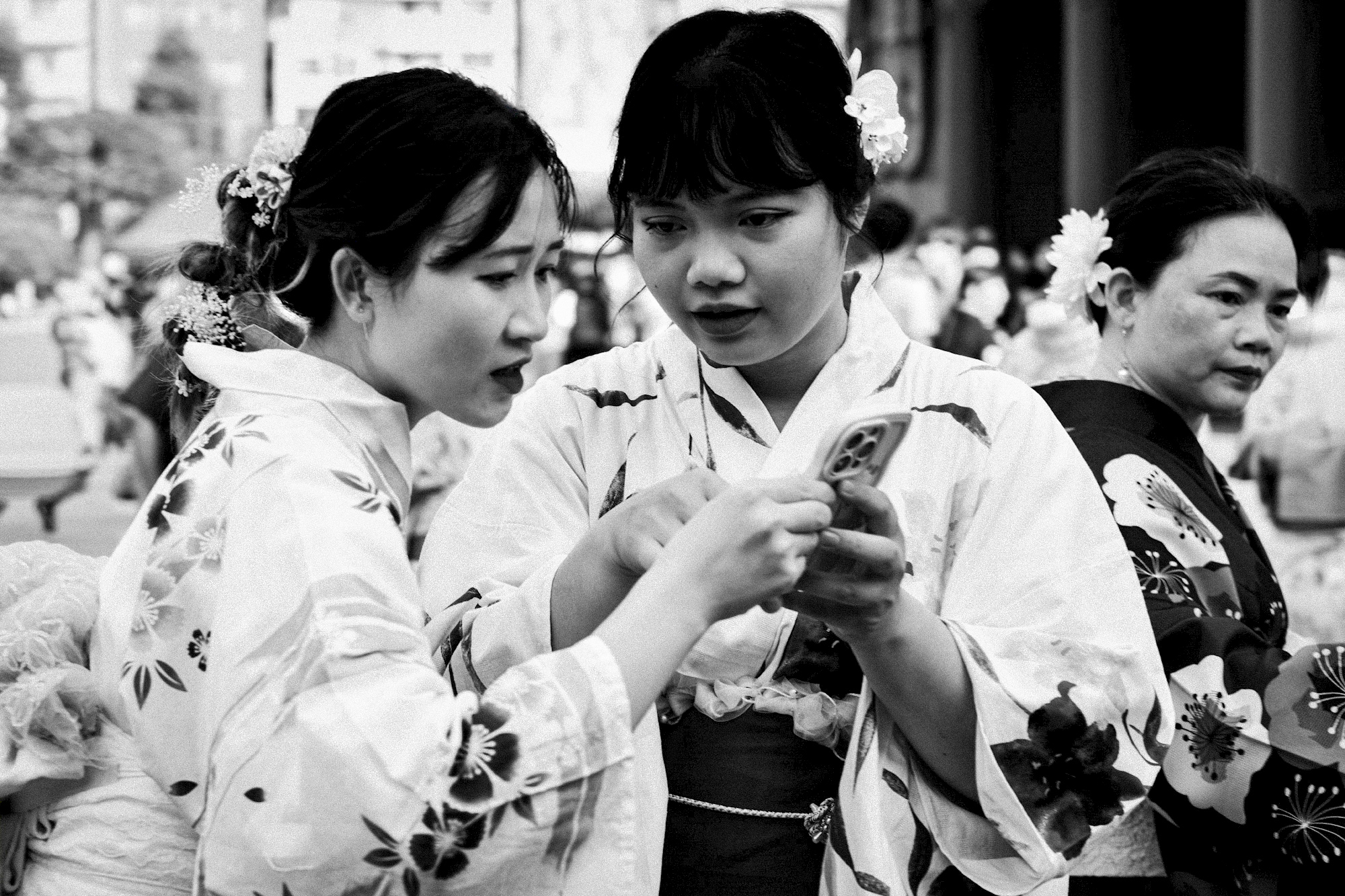
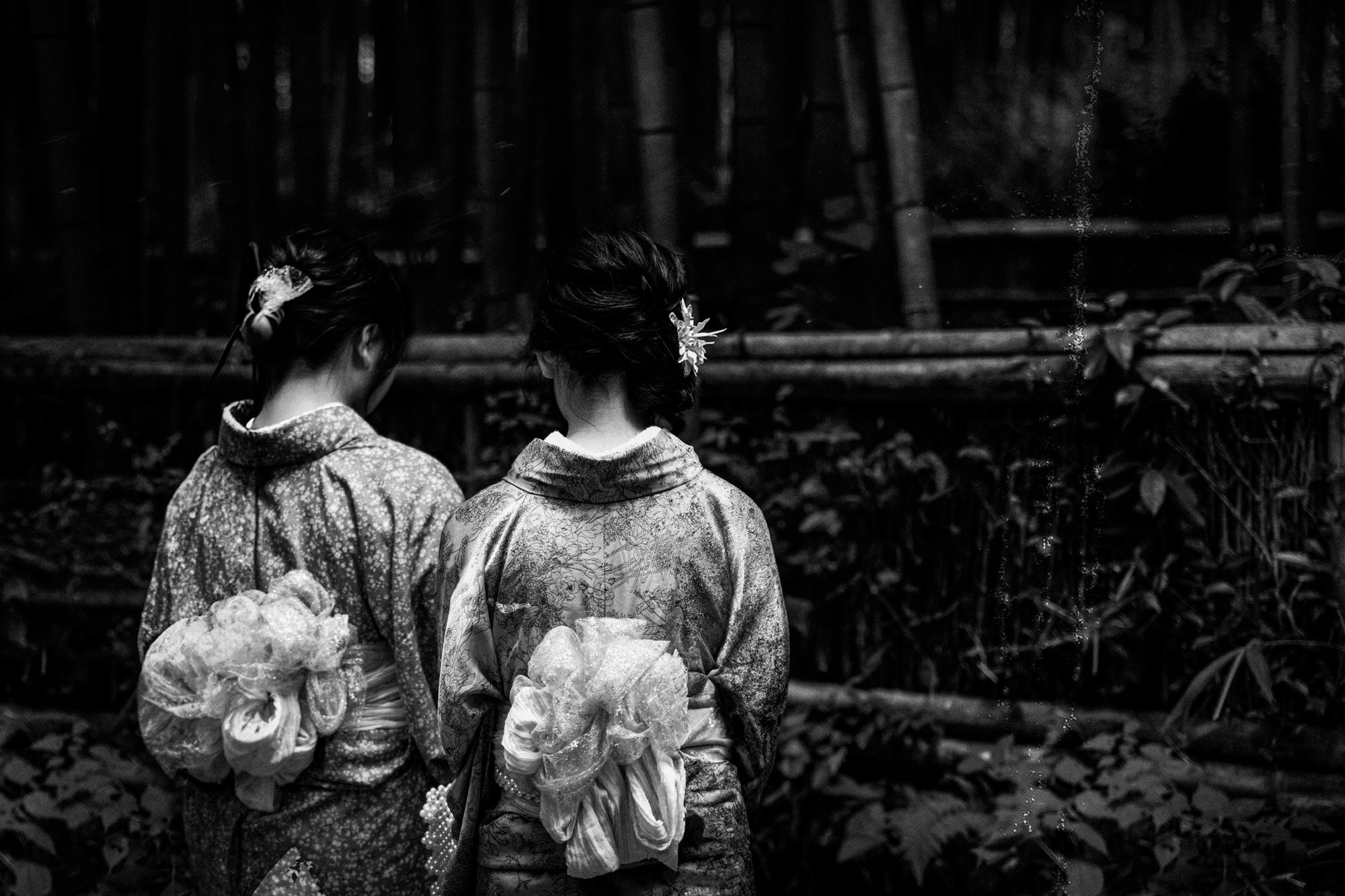
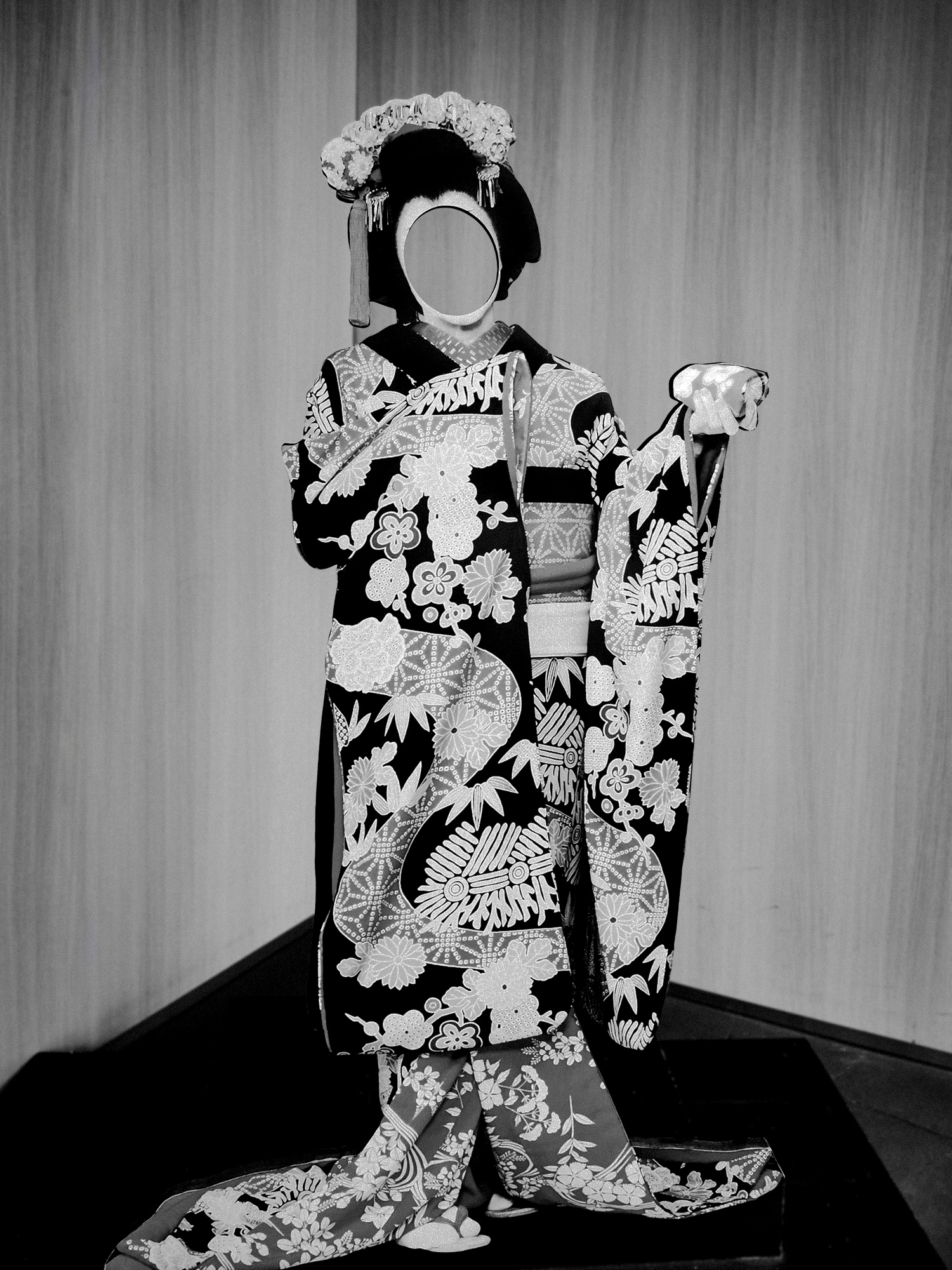
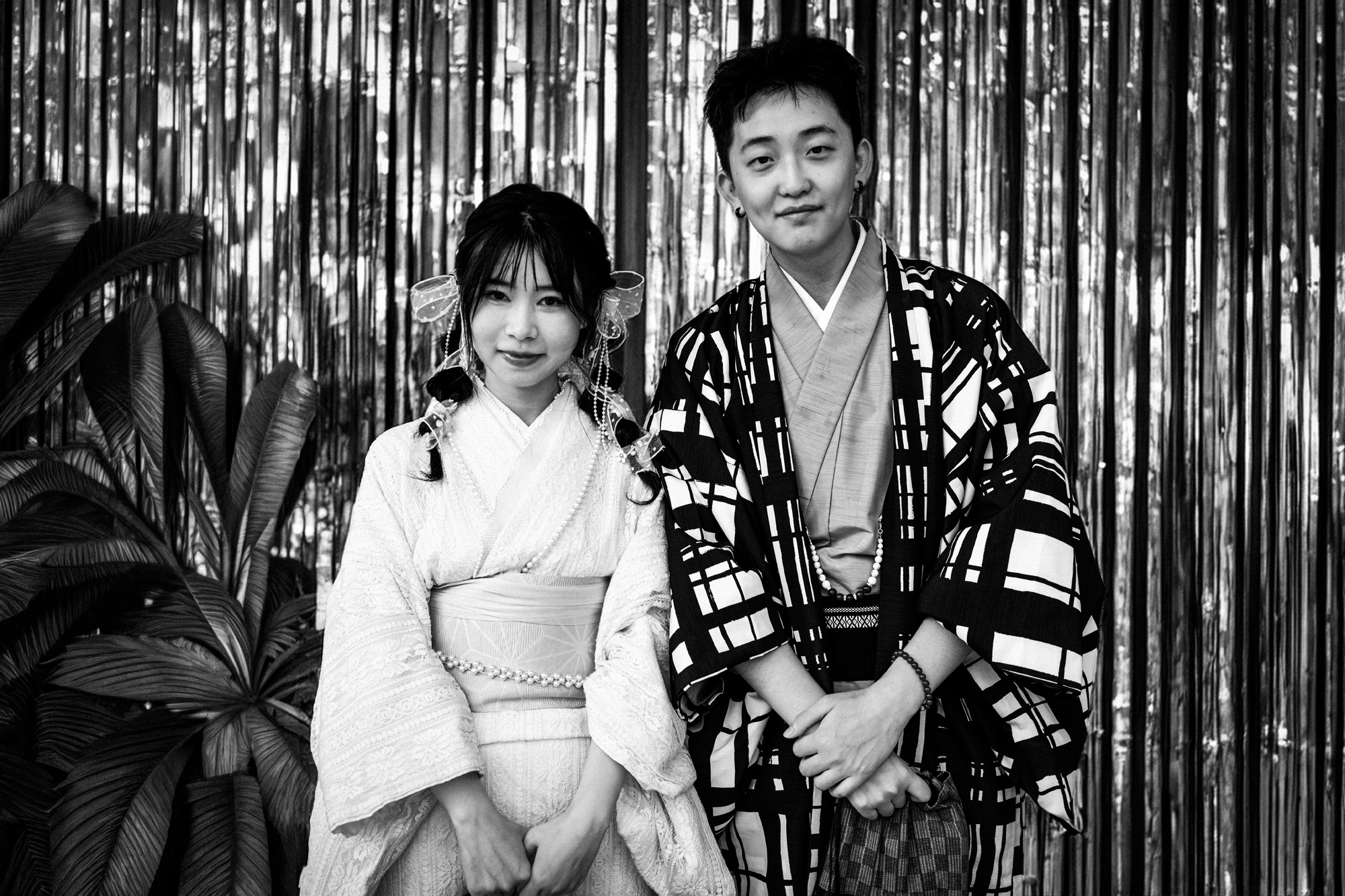
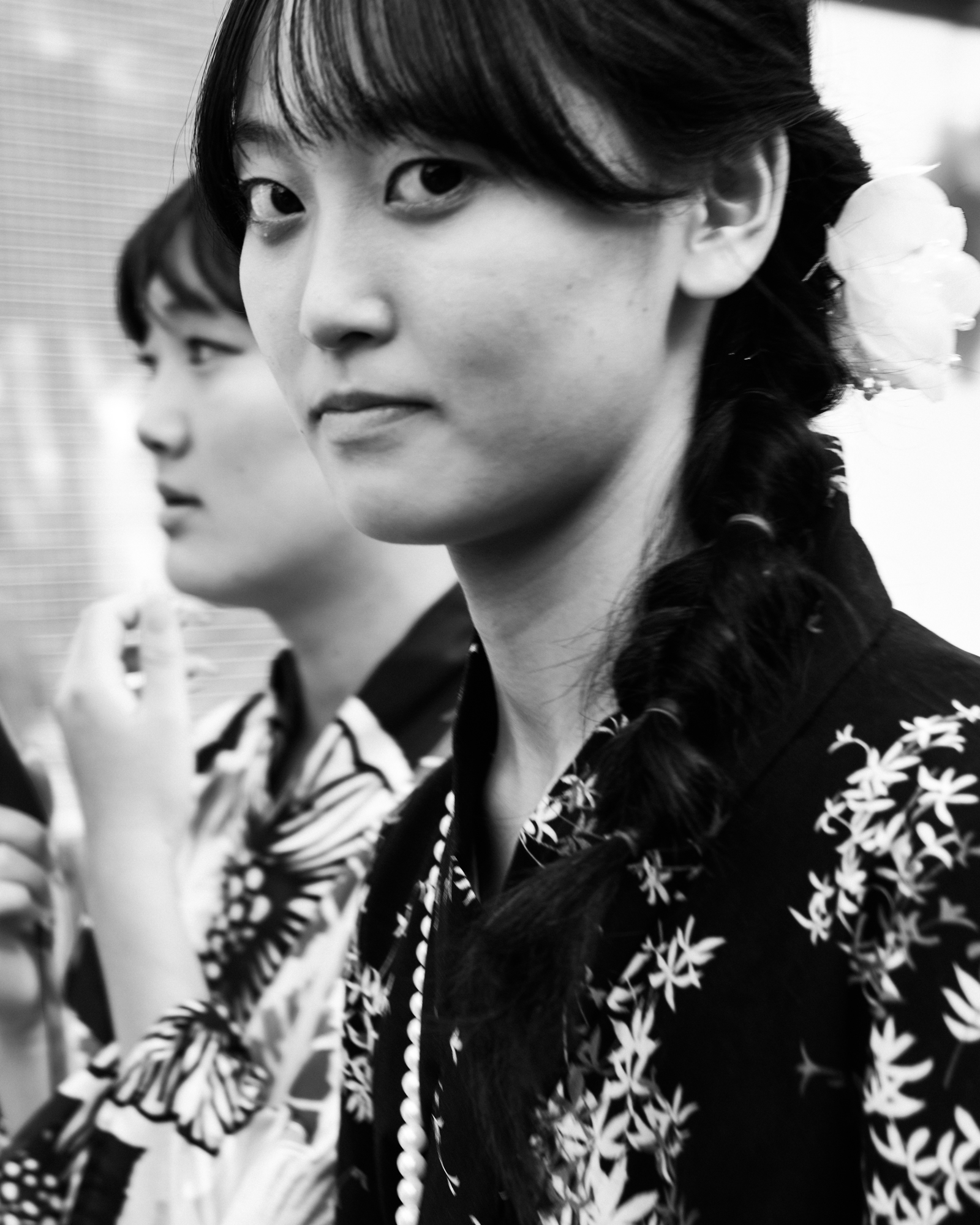
The kimono emerges as the primary signifier of enduring tradition. It moves with measured grace through temples, markets, and both refined and popular districts. It is not worn for display, but as an act of alignment—with space, ritual, and time itself. Not by imposed rule, but by personal choice. The weight of the fabric, the discipline of the silhouette, the precise tying of the obi form a silent language. Nothing is accidental. Season, age, and intention are embedded in texture and gesture. Tradition is not preserved as image; it is practiced as presence.

A short distance away, behind modest doors and low light, bars resonate with the music of the 1960s Percy’s Faith the theme of “A Summer Place”. Vinyl crackles, voices linger, melodies stretch time. This is nostalgia without performance—an atmosphere chosen rather than imposed. It reveals an inward, intimate, deeply emotional Japan, where memory is not revisited loudly, but quietly accompanied.

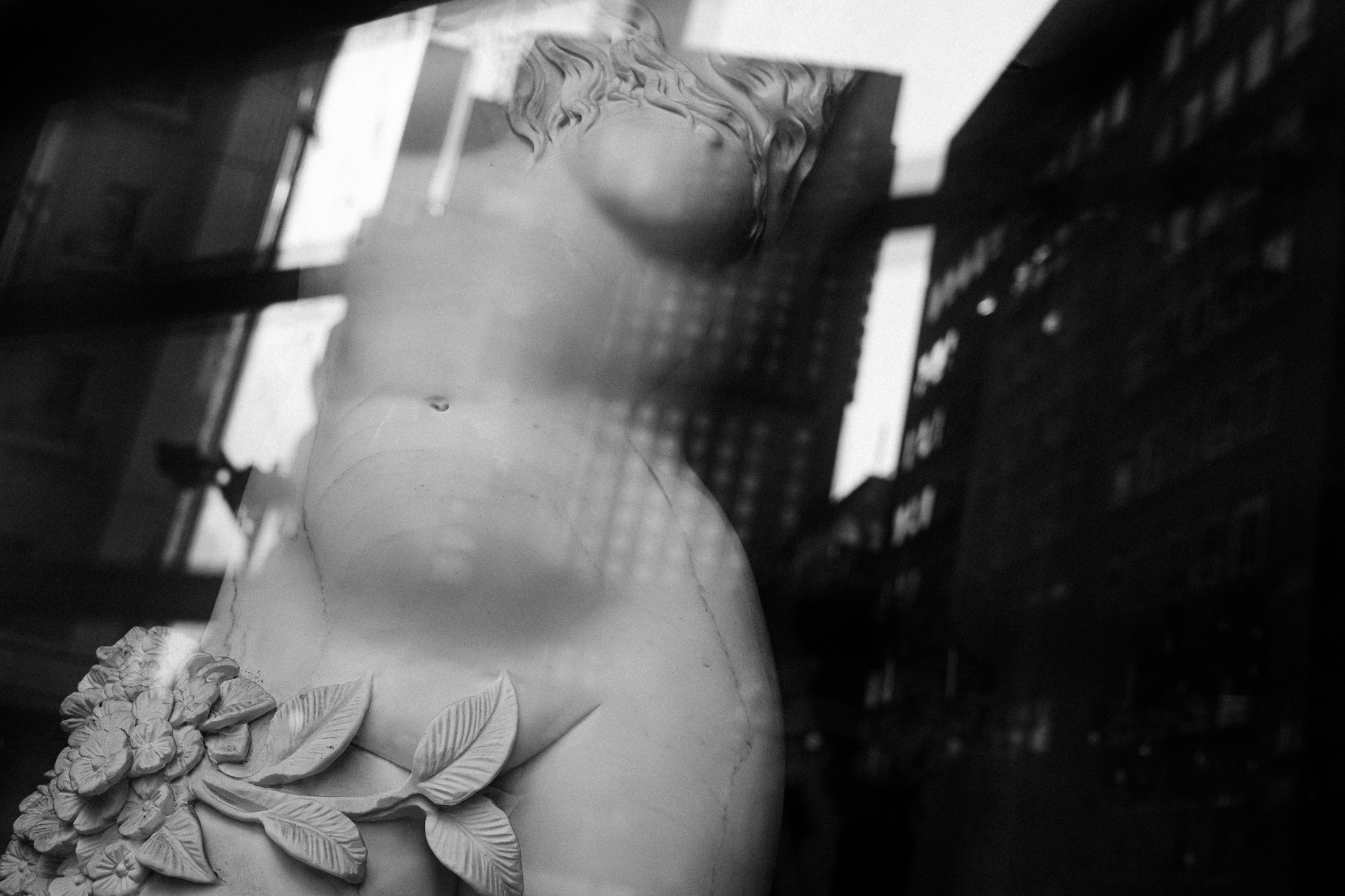
Outside, the city pulses in neon—electric, sharp, restless. And yet, within this glare, the past reappears in fragments: retro signage, restrained color palettes, reflections suspended between decades. Neon does not erase tradition; it reframes it. Old and new occupy the same visual field, neither prevailing over the other.

Made in Japan is a quiet act of witnessing—a capture of presence without narration, interpretation, or epilogue.